Optimal Timing for Concrete Leveling
Concrete levelings are most effectively performed during specific weather conditions to ensure proper curing and durability. Timing depends on temperature, humidity, and seasonal factors. Proper planning can extend the lifespan of the leveling work and prevent future issues.
Spring and fall are ideal because of moderate temperatures and lower humidity, which facilitate proper curing.
Temperatures between 50°F and 85°F are recommended for concrete leveling to ensure proper setting and bonding.
Avoid leveling during freezing temperatures, heavy rain, or extreme heat, as these can compromise the process.
Seasonal fluctuations can affect curing times and adhesion; planning around these factors improves results.
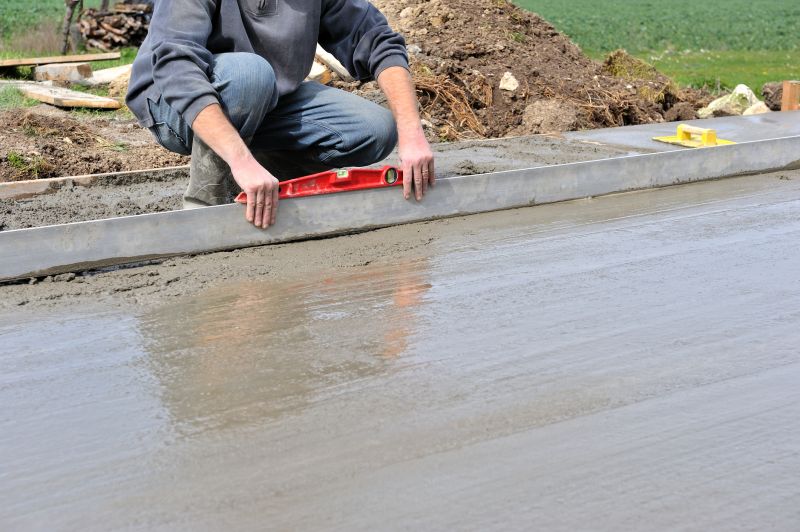
Spring offers moderate temperatures ideal for effective concrete leveling.
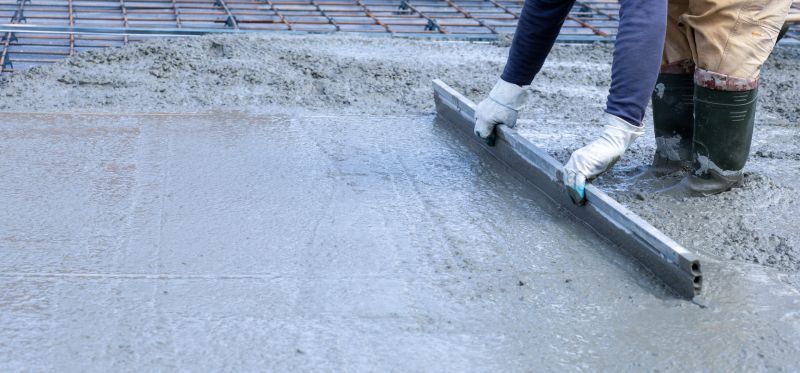
Fall provides cooler weather with less humidity, suitable for durable results.
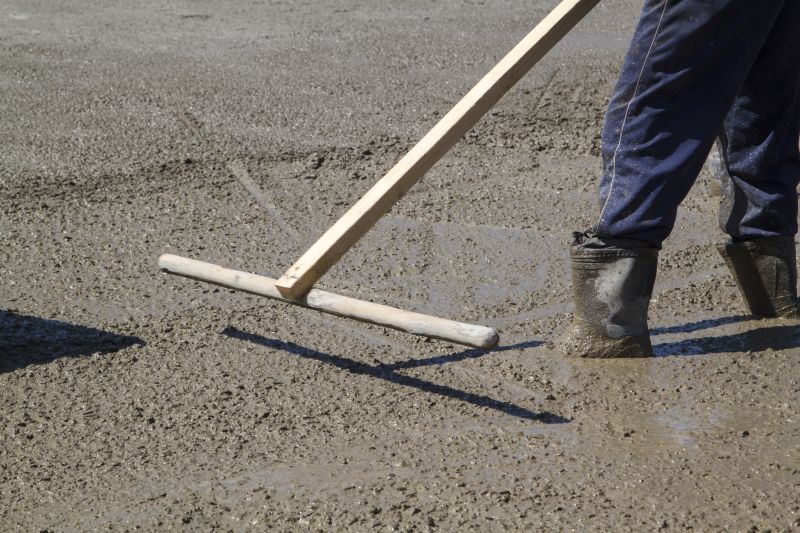
Extreme heat or cold can hinder proper curing; scheduling around forecasted weather is recommended.
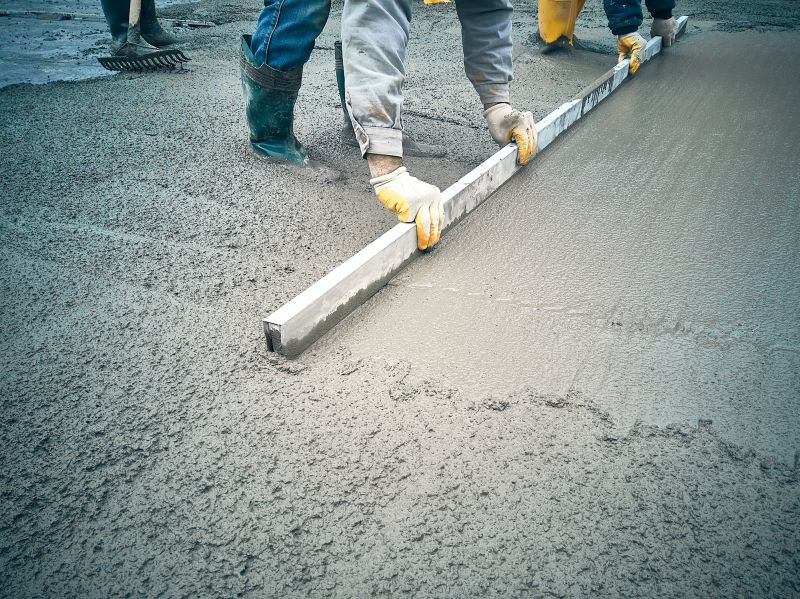
Ways to make Concrete Levelings work in tight or awkward layouts.
Popular materials for Concrete Levelings and why they hold up over time.
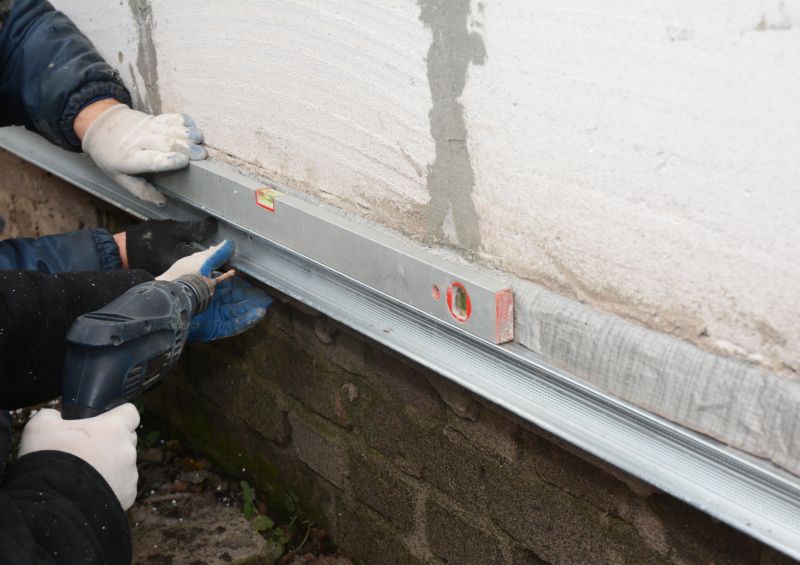
Simple add-ons that improve Concrete Levelings without blowing the budget.
High-end options that actually feel worth it for Concrete Levelings.
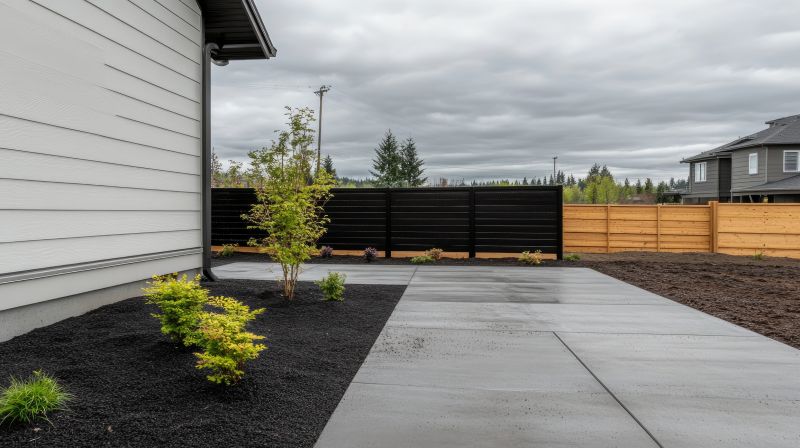
Finishes and colors that play nicely with Concrete Levelings.
| Season | Ideal Temperature Range |
|---|---|
| Spring | 50°F to 85°F |
| Summer | 70°F to 85°F |
| Fall | 50°F to 75°F |
| Winter | Below 50°F (not recommended) |
Concrete levelings involve raising and leveling sunken or uneven slabs to restore proper surface alignment. This process typically uses polyurethane foam or other leveling compounds, which cure quickly under suitable conditions. Proper timing ensures the materials set correctly, providing a long-lasting, stable surface. Weather factors such as temperature and moisture significantly influence the curing process and final outcome.
Statistics indicate that scheduling concrete work during optimal weather conditions can extend the lifespan of the repair by up to 50%. Unfavorable weather can lead to cracks, shifting, or surface failure, increasing maintenance costs over time. Planning around seasonal and daily weather patterns minimizes these risks and ensures the best possible results.
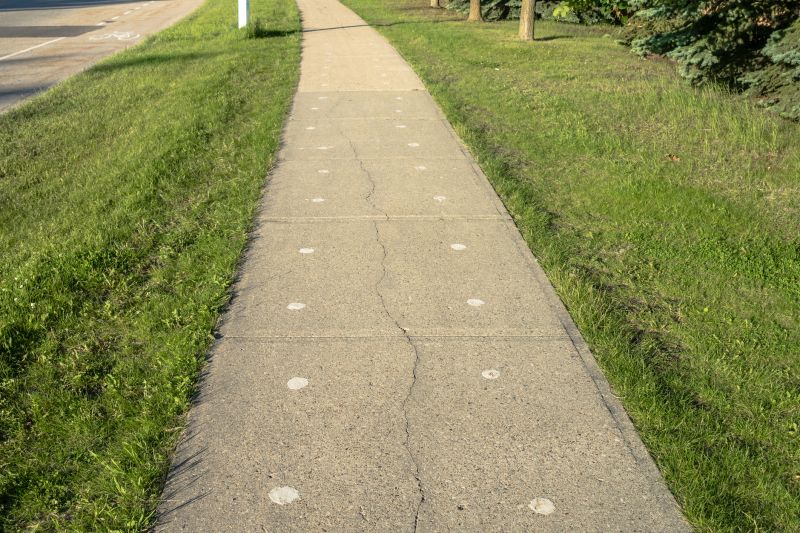
A technician applies polyurethane foam to lift and level a sunken slab.
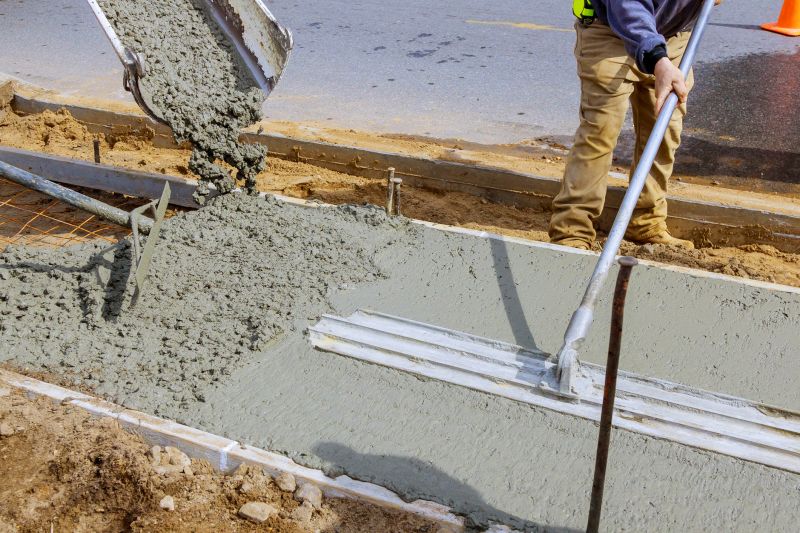
Proper weather ensures quick and effective curing of leveling materials.
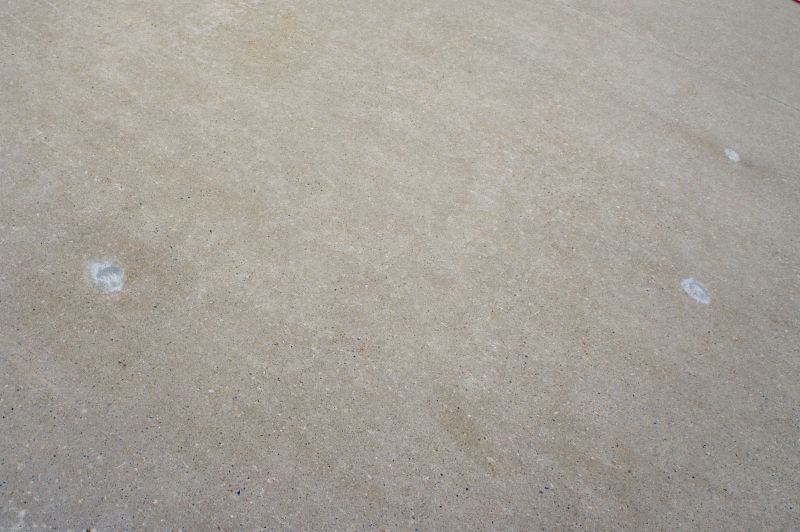
A smooth, even surface ready for use after curing.
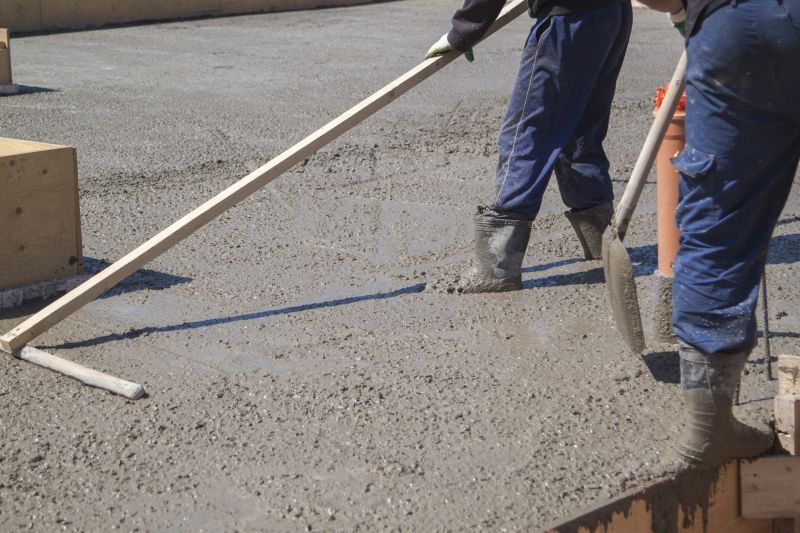
Scheduling during optimal weather prevents future issues.
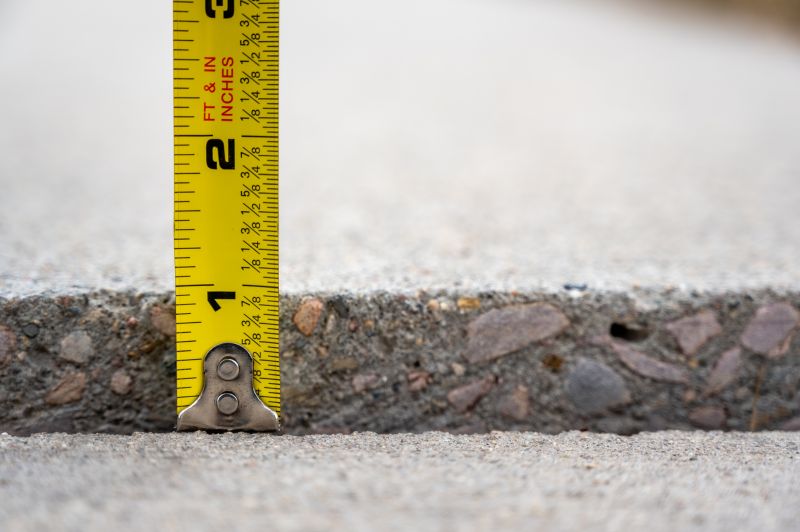
Little measurements that prevent headaches on Concrete Levelings day.
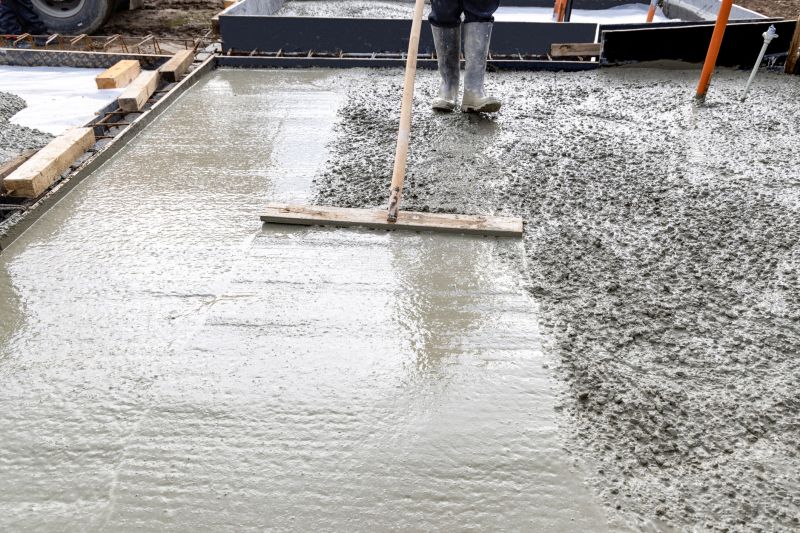
A 60-second routine that keeps Concrete Levelings looking new.
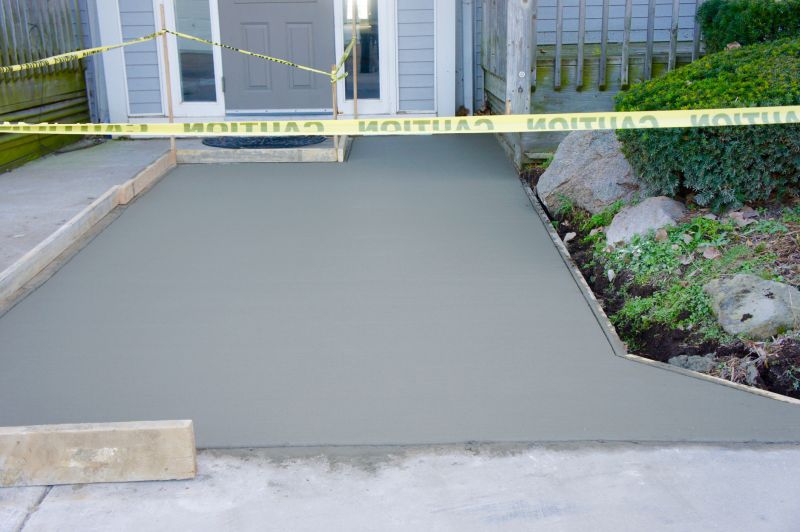
A frequent mistake in Concrete Levelings and how to dodge it.
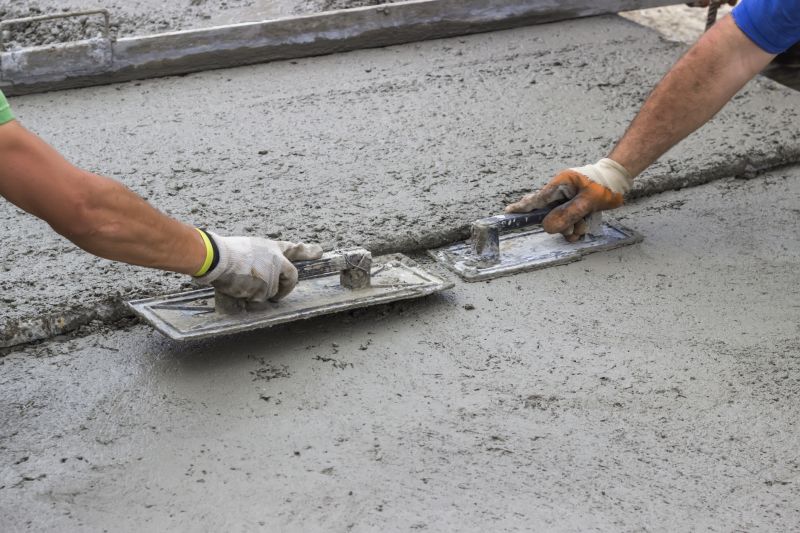
Small tweaks to make Concrete Levelings safer and easier to use.
Interested in concrete levelings? Filling out the contact form can provide guidance on scheduling and ensure the work is performed during the most suitable conditions for lasting results.